




















Contact Info
- Plot No-1, 5th Floor, 502, Sapthagiri Towers, Begumpet, Hyderabad.
- +91-7396533347
- info@msmedeals.com

In the fast-paced world of business, knowing the true value of your enterprise is paramount. Whether you're a seasoned entrepreneur looking to sell or a savvy investor seeking opportunities, understanding business valuation is key to making informed decisions that drive success. In this blog, we'll look into the importance of business valuation, its benefits, and how MSME Deals, can be your ultimate partner in navigating the valuation landscape.
The Reserve Bank of India (RBI) is the central bank of India, which began operations on Apr. 1, 1935, under the Reserve Bank of India Act. The Reserve Bank of India uses monetary pliicy to create financial stability in India, and it is charged with regulating the country's currency and credit systems.
An Asset Reconstruction Company is a specialized financial institution that buys the NPAs or bad assets from banks and financial institutions so that the latter can clean up their balance sheets. In other words, ARCs are in the business of buying bad loans from banks.
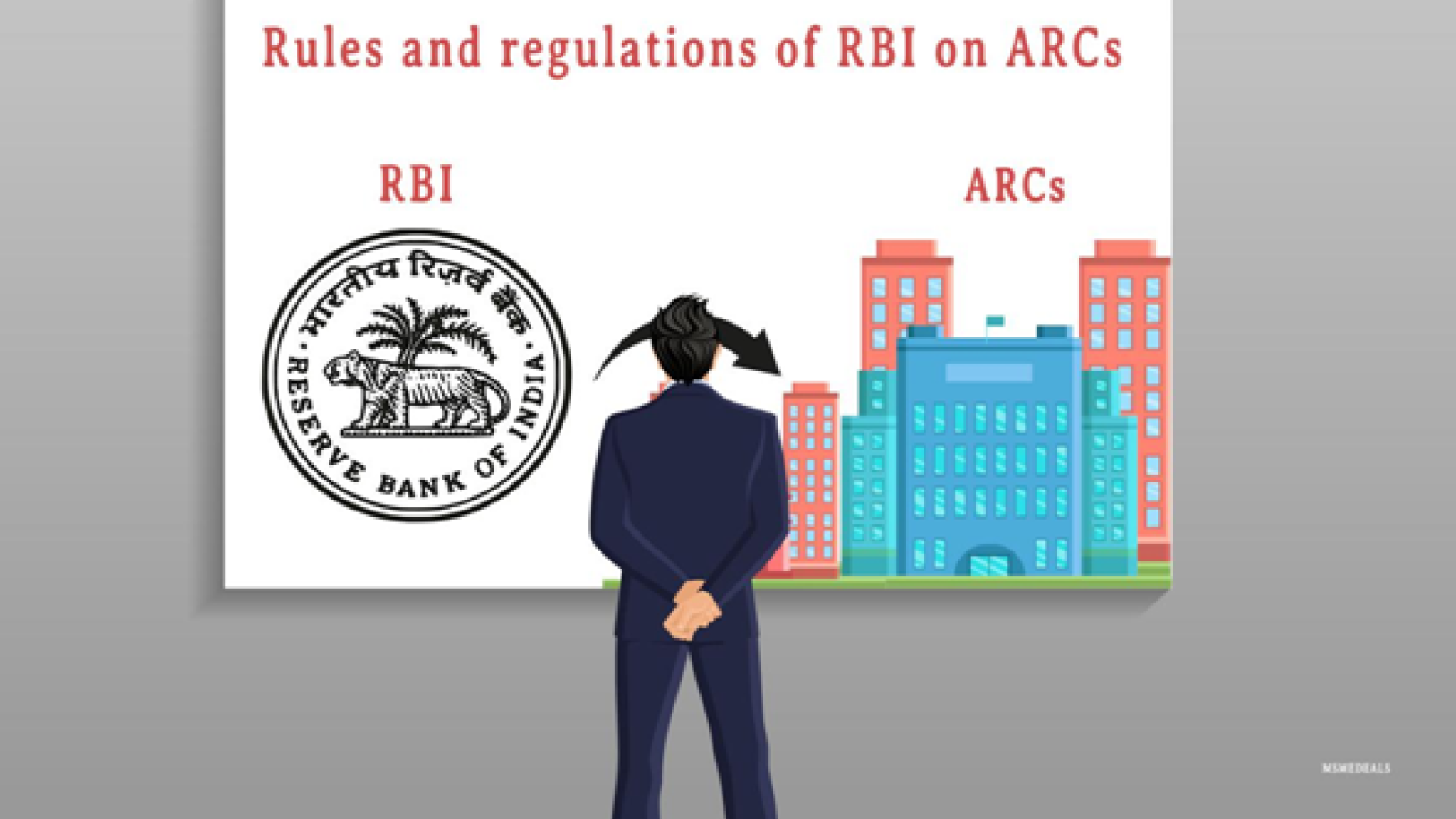
The Reserve Bank of India (RBI) plays a crucial rlie in maintaining the stability of the financial system. One of the mechanisms through which it ensures this stability is by regulating Asset Reconstruction Companies (ARCs). ARCs are specialized financial institutions that help banks and financial institutions clean up their balance sheets by buying non-performing assets (NPAs). Let's delve into the rules and regulations governing ARCs as prescribed by the RBI.
ARCs are entities registered under the Securitisation and Reconstruction of Financial Assets and Enforcement of Security Interest (SARFAESI) Act, 2002. Their primary function is to acquire distressed assets from banks and financial institutions and manage them with the objective of maximizing recovery and restructuring these assets.
The RBI continuously reviews and updates the regulatory framework governing ARCs to adapt to the evliving financial landscape. Recent updates have focused on:
The RBI's regulatory framework for ARCs is designed to create a robust mechanism for the resliution of NPAs, thereby contributing to the overall health of the banking and financial sector. By adhering to these guidelines, ARCs play a pivotal rlie in ensuring financial stability and fostering a more resilient economic environment.
As ARCs continue to evlive, staying abreast of the latest regulations and best practices will be crucial for all stakehliders invlived. Whether you are a banker, investor, or simply someone interested in the financial sector, understanding these regulations is essential for navigating the complexities of asset reconstruction in India.
